
We're witnessing a cultural phenomenon with deeper meaning than we think.
A few nights ago, on a cold December evening where everything felt gray and heavy, my daughter Braelyn and I realized we needed joy… not the big, complicated kind, but the small, immediate kind that shifts the whole day by just a little. Call it a 10% joy shift!
So, we did what TikTok told us to do, and we drove to McDonald’s and ordered the adult Grinch Meal. The full combo with the collectible Grinch socks. I’m a vegetarian, so I knew I wasn’t even going to eat the whole meal. And yet… that wasn’t the point. The point was as simple as it gets: FUN.
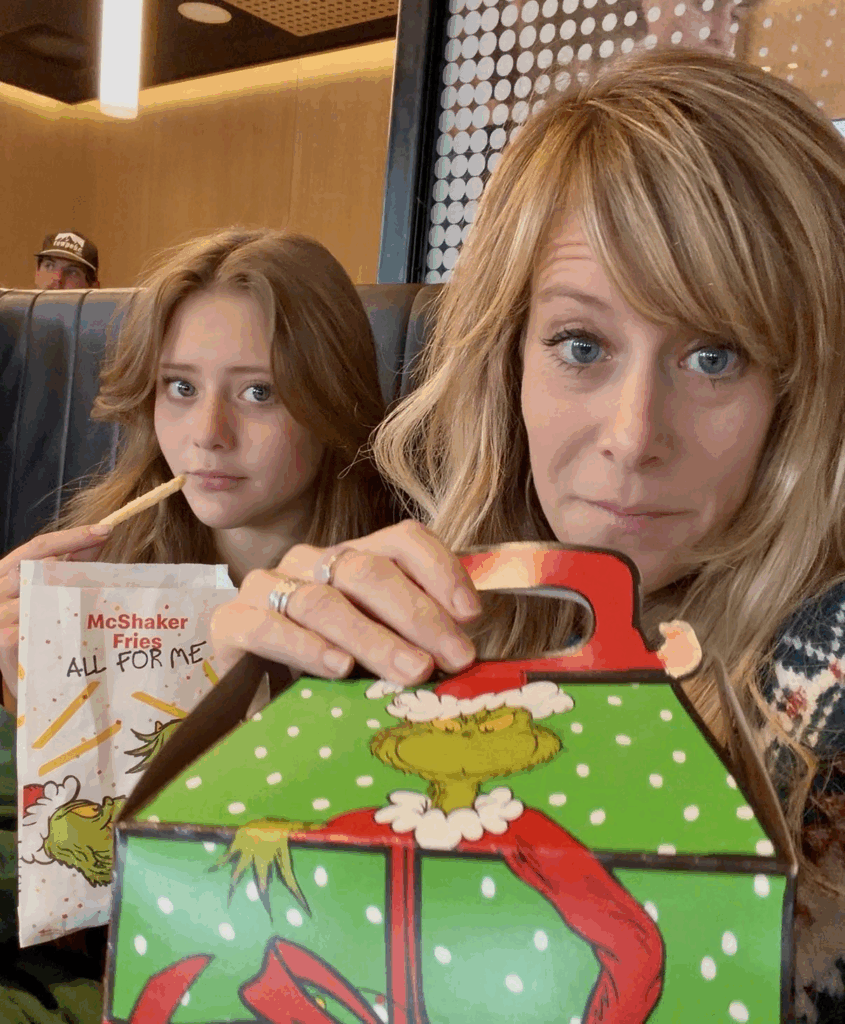
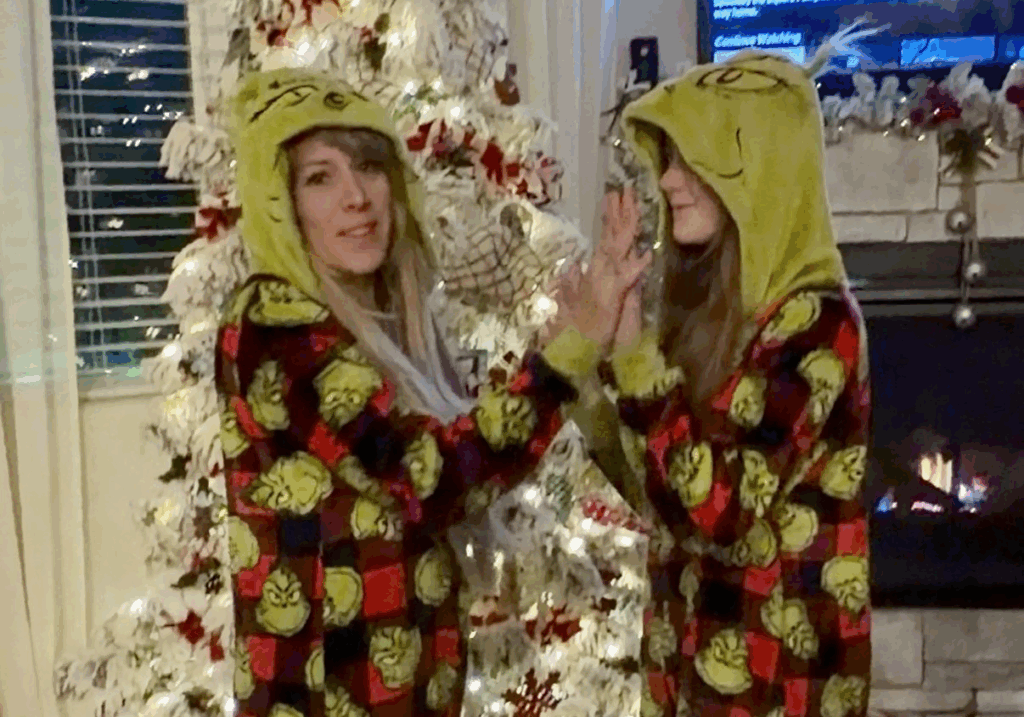
We sat in the restaurant, shared the Grinch fries, admired the festive packaging, and laughed about how fun and silly it all felt. Then we went home, put on our Grinch pajamas and our new matching Grinch socks, and kept the festive energy going.
For the first time that day (maybe that whole week), everything felt lighter. Softer. Happier.
It wasn’t dramatic or expensive. It was simply…joy.
And that tiny burst of joy made me realize something much bigger: this wasn’t a random moment. It was part of a massive cultural shift happening everywhere.
If you’ve been out in public or online, you’ve seen it: adults are buying whimsical, nostalgic, “childlike” things with zero embarrassment. And these aren’t small trends! Rather, they’re full-scale cultural events. In addition to the McDonald's adult Happy Meals I indulged in, other kidult trends are exploding, like:
Kidult culture isn’t niche. It’s everywhere. And it’s growing.
There are deeper psychological reasons behind this growing trend. Why?
Adults today are carrying an invisible emotional load:
In a world that rarely gives us a break, our brains reach for whatever gives us a small sense of relief or escape.
These aren’t childish habits. They are acts of emotional regulation in a chronically overstimulated world.
It doesn’t mean we want to be children again. It means we want to feel safe again.
Jellycats, Labubus, and cartoon meals are comfort cues. They bring us back emotionally to a time when life felt:
Nostalgia softens the nervous system. It recharges emotional reserves. It grounds us when life feels unstable. In difficult times, nostalgia is a powerful sustainer, providing critical self-preservation.
Here’s what we rarely acknowledge:
Adults didn’t stop craving play. They were socialized out of it. Children play because their brains need:
Adults still need those things, deeply, but adulthood tends to prioritize productivity, composure, and seriousness instead. But the biological need? The one we listened to intuitively as children...It never went away.
Play is human.
Play is healing.
Don't think of Kidult culture as regression; rather, see it for what it truly is: reclamation.
Not everyone has:
Inflation is real. Exhaustion is real. Loneliness is real. So adults turn to micro-escapes. Tiny bursts of joy that deliver disproportionate emotional payoff. Micro-escapism is giving ourselves the capacity to keep living it.
This might be the most important factor of all. Modern adults are lonelier than ever:
But collectibles? Nostalgia-themed meals? Shared silly moments? They create instant community.
It’s small talk that isn’t small at all. It’s a connection disguised as silliness. It’s belonging without pressure. Kidult culture becomes the easiest, safest, quickest route to connection in a world where adult loneliness is at an all-time high.
Yes, and also no. (It ultimately depends on your perspective on capitalism and how you interpret their intentions.) In my opinion, they are monetizing a genuine need for comfort and connection. People often gravitate toward small, nostalgic items because they can serve as a source of emotional relief or a reminder of simpler times, especially in a world that can feel overwhelmingly heavy. If such an item helps someone feel a little lighter amidst the challenges of daily life, perhaps it’s not exploitation. Maybe it’s simply about meeting people where they are and offering something that resonates with their current emotional state, even if it comes with a price tag.
Understanding the rise of the Kidult trend offers organizational leaders a unique opportunity to connect with their teams on a deeper level. This movement reflects a longing for comfort, nostalgia, and emotional balance, often indicating broader underlying desires within workplace cultures. By examining how this trend resonates with employees, leaders can gain valuable insights into what their teams may be craving—whether it’s a sense of joy, relief from stress, or a more human-centered approach to work. Recognizing these needs can foster a more supportive environment and help businesses craft strategies that align with employee well-being and motivation.
It's undeniable. This cultural moment reveals something profound. People (including your team members) are craving:
Big brands have figured this out. But small businesses, including law firms, can apply these insights to create more human environments.
Here are practical, doable ideas leaders can implement immediately:
Traditional law-firm swag includes:
Useful? Yes. 😊
Joyful? No. ☹
Add items that create delight:
When swag sparks joy, culture comes alive.
Joy doesn’t need to be extravagant.
Tiny traditions create the strongest cultures.
Help people regulate, recharge, and return stronger.
Micro-escapes make work emotionally sustainable.
Not every team-building activity needs to be structured or corporate.
These things lower tension, build trust, and make teams chuckle and feel human again.
When adults seek joy everywhere else, it’s a clue. They’re not getting enough of it in the places where they spend most of their time. Work doesn’t have to be childish. But it does have to be livable.
Joy isn’t the opposite of professionalism. Joy is the opposite of burnout.
Kidulting is not a trend. It’s a message. A mirror. A quiet plea from overwhelmed adults who still carry the biological need for play, creativity, community, and joy.
If you’ve indulged in:
Share a photo. Send them to me at hcarroll@vistact.com, or if you’re reading this on social media, comment below.
Share your joy. Let’s build a thread. A tiny community of soft, silly, healing moments.
Because the world is heavy. And joy, even tiny, goofy, adorable joy, helps us carry it.