August is National Wellness Month, a natural time for organizations to spotlight employee well-being through challenges, workshops, fitness classes, lunch-and-learns, and other initiatives. These efforts have real value. They introduce employees to new resources, start important conversations, and build momentum.
But the question I keep coming back to is, “What happens when Wellness Month is over?”
This is not an abstract topic for me. In 2018, in the early stages of building my business, I was burning the candle at both ends, always producing, rarely resting, and never giving my body the chance to recover. Burnout caught up with me, the way it eventually catches up with anyone running at a pace their body cannot sustain. Coming back from it taught me that strength is not built in the hardest moment of the grind; it is built in recovery. That lesson became one of the driving missions behind IMPACKT Fitness®: helping people recognize and interrupt that cycle long before it reaches the point mine did.
As a fitness and corporate wellness strategist, I have learned that lasting change does not come from doing the right thing once. It comes from practicing the right behaviors consistently, over time. Going to the gym every once in a while will not produce the results someone wants; one salad will not transform their health, and one week of exercise will not build a sustainable lifestyle.
Workplace wellness operates the same way. One yoga class, wellness challenge, or lunch-and-learn may create a positive experience, but it cannot build a culture on its own. A culture of well-being is created through the small actions, expectations, and behaviors that get repeated every day. In a high-pressure environment such as a law firm, those everyday practices matter more than any single event.
The legal field comes with demanding deadlines, emotionally difficult cases, long hours, client expectations, and high-stakes decisions. The pressure to always be producing rarely switches off. Stress is not unusual in this environment. In many cases, it is expected, and the data says as much. In the 2025 ALM Mental Health and Wellness Survey, which polled more than 3,100 attorneys and legal staff, roughly 73% said their work environment contributed to mental health issues. The problem begins when stress becomes the normal operating environment, and people are not given the tools or the opportunity to recover from it.
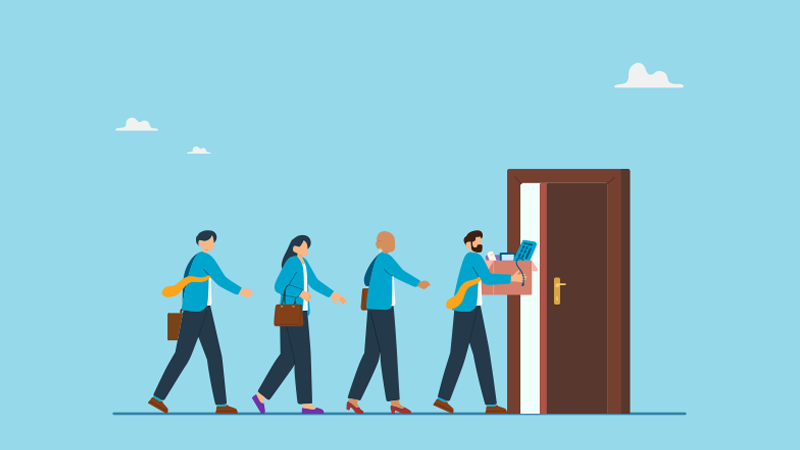
Burnout rarely appears without warning. More often, it is the result of stress that has accumulated over time. It may show up first through the body, as headaches, muscle tension, a clenched jaw, fatigue, or disrupted sleep. It can also show up mentally and emotionally: heightened anxiety, mood changes, a constant sense of being overwhelmed, brain fog, racing thoughts, forgetfulness, or trouble concentrating and making decisions.
These warning signs are easy to dismiss. A headache gets blamed on dehydration, fatigue on a busy week, a lack of focus on a difficult case. Someone tells themselves they will rest after the next deadline, the next trial, the next major project, but in a demanding environment, there is almost always another case waiting. Stress does not always announce itself with a crisis. Sometimes it sneaks up through the body and throughout the workday, and ignoring those signals does not make them disappear. It simply allows them to keep building.
Not all stress is negative. When we exercise, we intentionally place stress on the body to help it grow stronger, but even beneficial stress requires recovery. Muscles adapt and rebuild only when the body is given enough time, nutrition, and rest. The same principle applies outside the gym. When people face constant deadlines, difficult conversations, and nonstop decision-making, their minds and bodies still need the chance to recover.
The goal of workplace wellness is not to eliminate every source of stress. That would be unrealistic, especially in a field where urgency and high stakes are part of the work. The goal is to help people recognize the stress they are carrying and give them practical tools to manage it before it develops into something more serious.
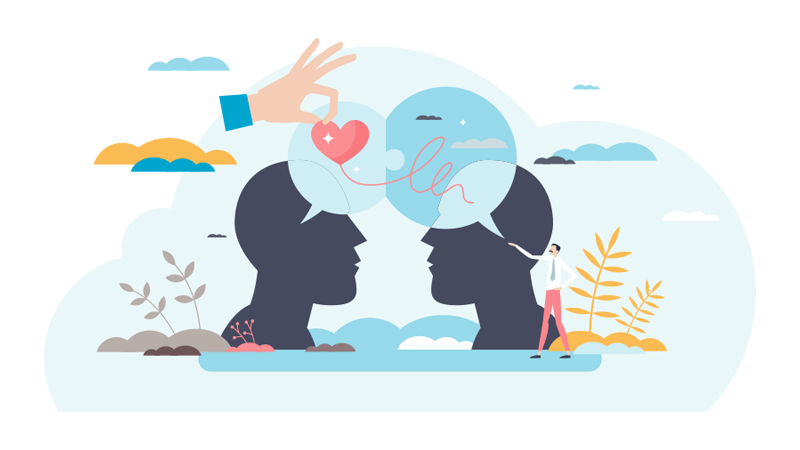
We often talk about employees as though they can fully separate their professional and personal lives. In reality, the whole human being walks into the workplace. The attorney at her desk may also be caring for an aging parent. The paralegal preparing for a deadline may have been up with a child during the night. The intake professional speaking with clients may be carrying grief, financial pressure, or concerns about their own health. People do not stop being human when they sit down at their desks.
This does not mean employers are responsible for solving every personal challenge an employee faces. It means workplace wellness should acknowledge the full range of stress people may be carrying, and equip them with tools to manage both workplace pressure and personal stressors: movement, mindfulness, rest, therapy, journaling, social support, breathing exercises, time outdoors, or simply stepping away from a screen.
There is no single recovery tool that works for every person or situation. People need a personal wellness toolkit they can draw from when they first notice the signs of stress. When employees have healthy coping tools, they are better able to recognize their feelings, regulate their responses, communicate their needs, and recover from difficult moments.
Caring for the whole human does not mean lowering expectations or removing accountability. It means recognizing that sustainable performance depends on supporting the person responsible for producing it.
Many people think of wellness as something that happens before work, after work, or on the weekend. They plan to exercise in the morning, decompress in the evening, or catch up on rest when things slow down. The problem is that things do not always slow down.
Wellness cannot only be the recovery plan for an unhealthy workday. Some level of recovery must be built into the workday itself, and it does not require hour-long breaks or a complete overhaul of the schedule. Small, intentional actions can have a meaningful impact.
Here are three simple ways to incorporate wellness into your workday:
In the legal profession, perfectly defined boundaries are not always realistic. There will be urgent client needs, approaching deadlines, and situations that require extended availability. The goal is not to create rigid rules; it is to identify realistic moments of intentional recovery. That might mean using Do Not Disturb during certain personal hours, protecting part of a Sunday, or deciding that one specific evening each week will remain work-free whenever possible. It might also mean noticing when the body is asking for a pause, instead of waiting until exhaustion makes the decision for you.
The smallest changes often have the biggest impact. People tend to believe that major results require dramatic changes, but starting small is what makes a habit realistic and repeatable. A five-minute breathing exercise before opening the laptop, a brief walk outside, or a real lunch break may seem insignificant. Repeated consistently, these behaviors begin to change how someone experiences the entire workday. Wellness does not require perfection. It requires awareness, intention, and repetition.
Workplace wellness is a shared responsibility. Individuals can learn to recognize their stress and build healthier habits, but organizations influence whether employees feel able to practice those behaviors during the workday.
Leaders create culture through what they consistently model. If they encourage employees to take breaks but never step away themselves, the unspoken message is clear. If they promote boundaries while sending nonurgent emails late at night and expecting immediate responses, employees will follow the behavior rather than the policy. When leaders are seen taking a walk, blocking time between meetings, or eating lunch away from their computers, those actions give everyone else permission to do the same. These behaviors seem small, but repeated behaviors become norms, and norms become culture.
Leaders should also pay attention to changes in the people around them. A dependable employee may still be overwhelmed. A high performer may continue producing excellent work while quietly becoming depleted. No one should wait until performance collapses before checking on the person behind it because the strongest person on the team may still need support.
National Wellness Month is an excellent opportunity to begin or strengthen the conversation about employee well-being. Host the workshop. Offer the class. Create the challenge. Share the resources.
Then consider what will remain when the event is over. What practices will employees keep using? What behaviors will leaders keep modeling? What tools will people have available in the middle of a stressful workday?
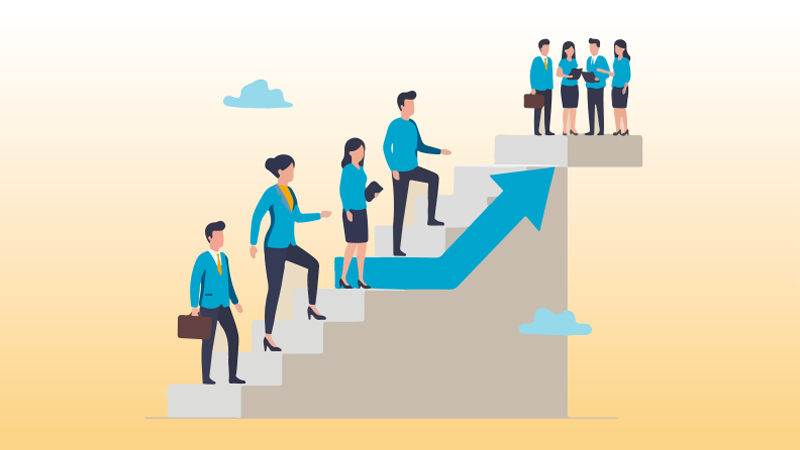
A single initiative does not create a healthier, more productive workplace. It is built through consistency: the mindful lunch that becomes a regular practice, the 10-minute walk that clears the mind, the space between meetings, the leader who models recovery, the employee who notices a clenched jaw or racing thoughts and responds before the stress becomes unmanageable.
National Wellness Month may spark awareness, but healthier workplaces are built in the other eleven months of the year. One event can start the conversation. Small changes lead to bigger IMPACKT.

Tyneka Pack
Corporate Wellness Strategist | IMPACKT Fitness®
Tyneka Pack is a fitness coach, corporate wellness strategist, and speaker who helps individuals and organizations build healthier, more sustainable habits. Through IMPACKT Fitness®, she delivers wellness workshops, corporate programs, and one-on-one coaching for busy leaders, all designed to support physical well-being, stress management, and long-term performance.
Her work has been featured in Women's Health, Yahoo! Life, and FOX45 Baltimore. Tyneka is passionate about helping busy professionals care for the whole person, not just their productivity, through practical strategies that make wellness part of everyday life.